As we discussed in class, Greenpeace is a non-state political organization, which reinforces the trend we have been writing about for months; the world's organizations are moving from a national to a global stage. Using Greenpeace as an example, it is comprised of members from all over the planet and does not have an affiliation with any particular state. An example of an organization on the national stage would be the National Wildlife Federation, with a strong association to the United States and members affiliated to their states. The middle ground between these two sides, which we are seeing more and more of as we transition, would be the United Nations where the organization operates on the global stage but its members maintain their state affiliation.
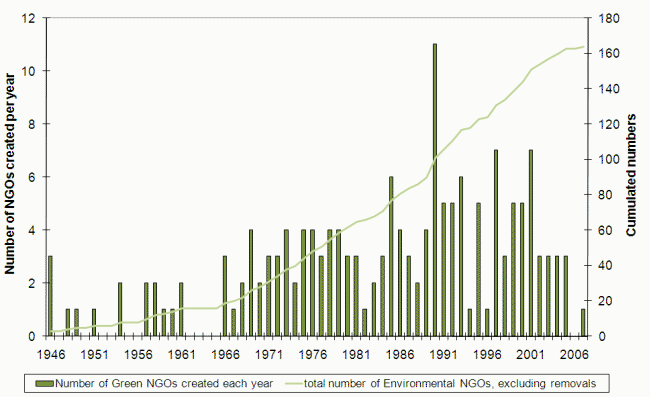
This trend can be seen in this graph depicting the amount of NGOs (non-governmental organization) created each year (the bars) and the total number of NGOs. As time passed before 1966, there were not many NGOs in existence or being created, but once 1966 came around there was a boom in the creation of NGOs. Since that date, the number has been rising and furthering the trend.
My opinion of this trend is positive. I feel that as more non-governmental global organizations are created, the world issues will begin to see more exposure and reactions. My once concern is that organizations operating on the national stage will lose power and the power of the world will become too central for dealing with domestic and local issues.


